You want a main street where your morning coffee, errands, and dinner plans all happen on foot. In Boerne’s historic downtown, that picture is real, and it comes with creekside walks, community events, and a relaxed Hill Country rhythm. In this guide, you’ll learn what everyday life looks like along the Hill Country Mile, from shops and parks to housing types and practical tradeoffs. Let’s dive in.
Hill Country Mile, defined
The stretch along Main Street, locally called the Hill Country Mile, is Boerne’s historic and commercial core. City planning materials describe it as the downtown spine with defined historic-design guidelines for properties in the district. If you’re eyeing a home near Main Street, it helps to know how this affects exterior changes and neighborhood character. You can read more about the district’s role and context in the city’s 2018 Master Plan.
The daily rhythm downtown
On a typical weekday, downtown is most active at midday. Shops open late morning, galleries and boutiques often close in the late afternoon, and restaurants and breweries stay open later. Weekday evenings are calm outside of events, which many residents appreciate for easy strolling and simple weeknight dinners. Weekends bring more foot traffic, especially when events are on the calendar.
Coffee, dining, and local shops
You’ll find a tight cluster of boutiques, home stores, and casual spots to eat and sip. A favorite hub is the Dienger Trading Company, a corner bistro, bakery, and boutique at Main and Blanco. It’s a handy all‑in‑one stop for breakfast, a mid-day coffee, or a quick gift from their shop. Explore the Dienger via the Chamber’s listing for a sense of its offerings and hours: The Dienger Trading Company.
Boerne’s microbrew scene adds to the easygoing vibe. Several breweries near Main Street host live music and food trucks on select nights, creating a casual evening scene. For a snapshot of options, scan this local roundup of breweries in Boerne.
Markets and signature events
Community events shape the calendar and bring neighbors together.
- Boerne Market Days fills Main Plaza the second weekend of most months with artisan vendors and food. It is a reliable, walkable weekend plan if you live nearby.
- Dickens on Main transforms downtown the weekend after Thanksgiving with themed villages and holiday performances. It is a seasonal peak with big crowds and street closures.
- Specialty car shows and themed walks pop up through the year. Expect higher parking demand and lane closures during these events.
If you like living where the community calendar comes to you, this is a feature, not a bug. If you prefer quiet weekends, you can still enjoy calm weekday evenings and easy morning errands.
Parks, trails, and nature nearby
One of downtown’s best perks is quick access to green space.
- The Cibolo Center for Conservation sits close to downtown with short trails, creek access, and programs at the Nature Center and Herff Farm. It is great for daily walks and kid-friendly outings.
- River Road Park runs along Cibolo Creek with shaded pathways and spots to watch ducks and turtles. See a local overview of parks, including City Park and City Lake Park, on Boerne Parks & Recreation.
For day trips, residents often mention nearby show caves, Hill Country hikes, and lakes. The result is simple: you get everyday nature minutes from Main Street and bigger adventures a short drive away.
Housing near downtown: what to expect
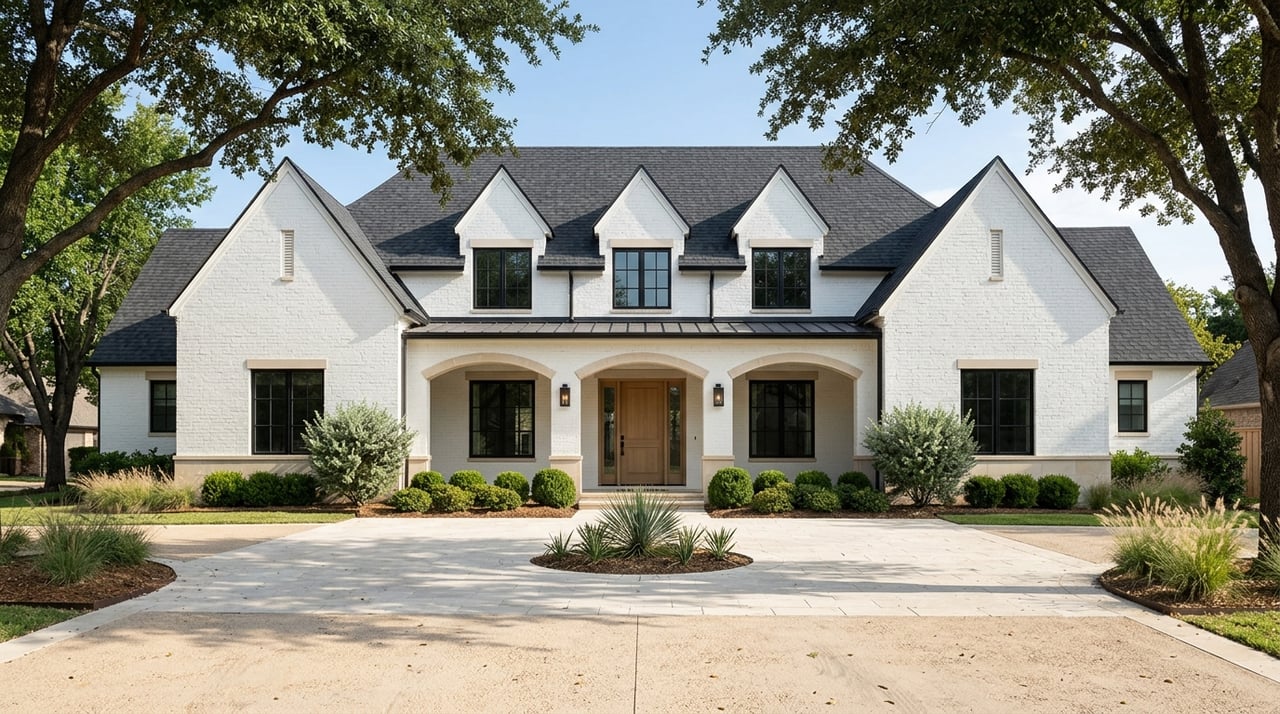
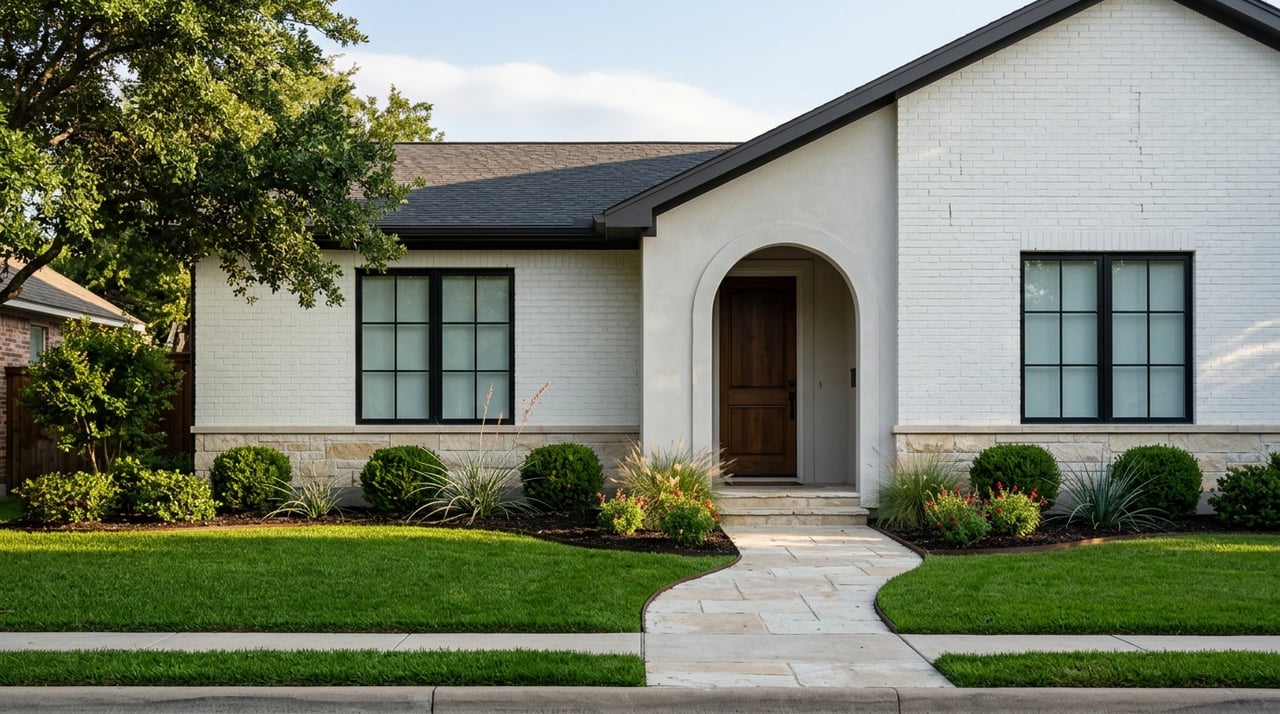
Most homes within walking distance of Main Street are older, single-family cottages with limestone or vernacular Hill Country style. You will also see a few small-lot infill homes and limited condo-style units closer to Main Plaza. If you need larger floor plans or newer builds, you will likely look to subdivisions a short drive away along the I‑10 corridor.
Typical price ranges
Downtown inventory is limited, and condition varies. Recent listings commonly show:
- Small historic cottages or condos near the core starting in the mid $400,000s and running to the high $700,000s depending on size and renovation level.
- Larger or fully renovated historic homes often range from roughly $600,000 to $1.5 million, with lot size, location, and finishes driving price.
- Newer single-family homes in nearby subdivisions often span the mid $400,000s to around $900,000, with luxury and acreage properties above that.
Pricing shifts with season and inventory mix, so plan to review a fresh market snapshot when you’re ready to tour.
Renovation and historic rules
If you buy within the historic district, exterior changes typically require review. The City’s Historic Landmark Commission oversees design guidelines and demolition requests. Before you plan paint colors, porches, or additions, check the city’s Historic Landmark Commission page for process details.
Parking, lot size, and storage
Downtown lots are often smaller, and on-street parking or compact driveways are common. If you need a two-car garage, workshop space, or a big yard, you may prefer nearby subdivisions. The tradeoff for downtown is convenience and character in exchange for less private parking and yard space.
Everyday practicalities
- Walkability: Addresses in and immediately around Main Plaza often make daily errands, dining, and boutique shopping realistic on foot. A few blocks out, Boerne shifts to a more car-oriented pattern, so confirm a home’s exact location against your daily needs.
- Schools: Downtown addresses are served by Boerne ISD. For attendance zones and campus info, start with the Boerne ISD website.
- Commute: Boerne sits about 30 to 31 miles northwest of downtown San Antonio along I‑10. The drive is very doable for hybrid or occasional commutes, though peak periods add time. City planning materials note the regional connection to San Antonio; you can review context in the 2018 Master Plan.
- Hours and noise: Weekday evenings outside of events are typically quieter than weekends. During larger festivals, plan for heavier foot traffic and temporary lane closures.
Is living downtown right for you?
Choose Boerne’s historic core if you value character, easy strolling, and being part of a visible community rhythm. You will trade some private space for proximity to coffee, dining, parks, and monthly markets. If you prefer larger lots, bigger garages, or very quiet weekends, you may lean to nearby neighborhoods while still enjoying downtown as your go-to destination.
Ready to compare in-town cottages with nearby subdivisions or map your walk-to-dinner wish list to real inventory? Reach out to the local team at Harkin Realty for buyer guidance, seller strategy, leasing support, or military relocation help. We will tailor a plan to your timeline and budget, and if you’re selling, you can also ask about our instant home valuation tool.
FAQs
What is Boerne’s Hill Country Mile?
- It is the historic Main Street corridor and downtown core, identified in the city’s planning documents as the central commercial spine with historic-design guidelines.
How walkable is living near Main Plaza in Boerne?
- Homes inside or immediately next to the Hill Country Mile make daily errands and dining realistic on foot, while areas a few blocks out become more car dependent.
Which events affect parking and traffic downtown?
- Boerne Market Days most months and Dickens on Main after Thanksgiving draw large crowds, with occasional specialty car shows and themed nights increasing parking demand.
What parks and trails are close to Main Street?
- The Cibolo Center for Conservation, River Road Park along Cibolo Creek, Boerne City Park, and City Lake Park provide easy options for daily walks and weekend outings.
What home types are common near downtown Boerne?
- You will mostly see historic limestone or cottage-style single-family homes, with some small-lot infill and a limited number of condo-style units near the core.
What price ranges should I expect downtown?
- Recent listings often show smaller cottages and condos starting in the mid $400,000s, with renovated historic homes ranging into the $600,000 to $1.5 million bracket.
Are there rules for renovating homes in the historic district?
- Yes. Exterior changes typically require review by the City’s Historic Landmark Commission, which applies local design guidelines.
How far is Boerne from San Antonio for commuting?
- Boerne is roughly 30 to 31 miles from downtown San Antonio via I‑10; commute times vary with traffic and destination in the metro.
Which school district serves Boerne’s historic downtown?
- Addresses in and near downtown are served by Boerne ISD; verify specific campus assignments with the district.