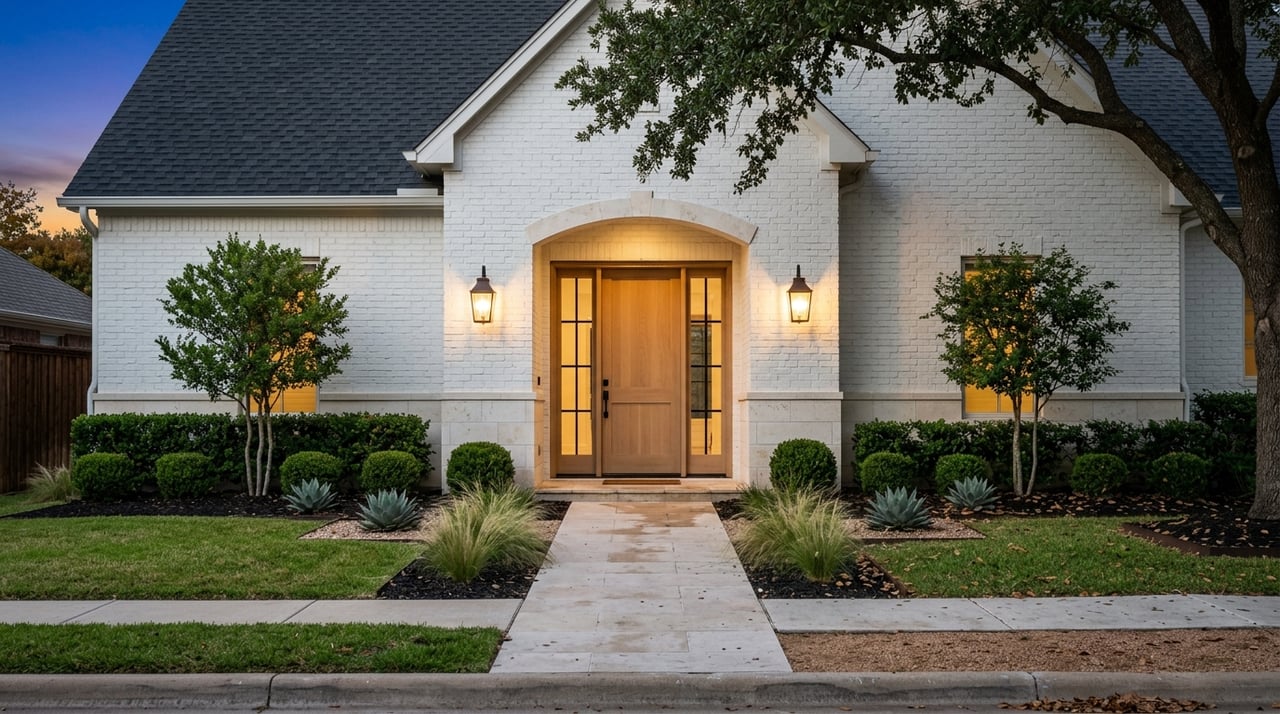
If you picture San Antonio as all sprawl and highways, central San Antonio may surprise you. This part of the city feels more layered, more connected, and more lived-in from block to block. If you are wondering what daily life here is really like, this guide will help you understand the pace, housing, mobility, and neighborhood feel that shape the center city. Let’s dive in.
Central San Antonio feels linked, not uniform
One of the first things you notice about central San Antonio is that it does not read like one single neighborhood. It works more like a connected urban core made up of places such as Tobin Hill, King William, Lavaca, Dignowity Hill, Monte Vista, Hemisfair, La Villita, and St. Paul Square. That gives daily life a lot of variety, even within a relatively compact part of the city.
You might spend one part of your day near downtown office towers and another on a residential street lined with older homes. The city’s Downtown and Southtown route describes the area as a mix of urban and residential blocks, which fits the lived experience well. In practice, that means your routine can feel both active and neighborhood-specific.
Historic preservation also shapes the atmosphere in a big way. San Antonio has 32 locally designated historic districts, and central areas like King William and Monte Vista helped define the city’s historic housing pattern. So even when you are in a busy part of town, you are often close to architecture and streetscapes that give the area a strong sense of continuity.
Walkability is stronger here
If being able to get out and move through your day matters to you, central San Antonio stands out within the city. Walk Score lists Tobin Hill at 78 and King William at 78, while Lavaca is 69, Dignowity Hill is 67, and Monte Vista is 64. By comparison, San Antonio overall is 37.
That does not mean every block feels the same. Some streets put you close to restaurants, parks, or cultural stops on foot, while others are simply a short drive or ride away from the action. Still, compared with many other parts of San Antonio, the center city offers a more walkable day-to-day rhythm.
For many people, that changes how the week feels. A quick coffee run, a dinner out, or an evening stroll can be more spontaneous here. You may still use a car often, but the area gives you more options.
Transit can support a car-light routine
Transit is part of everyday life in the urban core, especially around downtown. VIA Link Downtown runs daily from 7 a.m. to 11 p.m. and is typically available within 10 to 15 minutes. It connects places like Centro Plaza, Ellis Alley Park & Ride, Market Square, La Villita, Pearl, Tobin Center, Southtown, the Alamo, and the UT San Antonio Campus.
Downtown bus service also runs from early morning to late night, and Centro Plaza includes real-time next-bus information and an air-conditioned waiting area. For some residents, that makes a more flexible routine possible, especially if you live and work near the core. It is one reason central San Antonio can feel easier to navigate than people expect.
The River Walk adds another layer to that experience. The Downtown Reach includes a paved walking trail, plus access to shopping, dining, and river boat activity. When you combine trails, transit, and walkable pockets, a car-light lifestyle can be realistic in the densest central blocks, though it will depend on your exact address and routine.
Food and culture are part of normal life
In central San Antonio, food and culture do not feel like occasional outings. They are part of what shapes the week. Pearl is one of the clearest examples, with chef-led restaurants, locally owned storefronts, cultural partners, Market vendors, more than two dozen dining spots, a Saturday farmers market, and seasonal Wednesday Night Markets.
Downtown also packs in a high concentration of local destinations. Market Square has more than 100 locally owned shops and stalls, while Centro de Artes offers free year-round exhibitions in Historic Market Square. La Villita adds shops, galleries, and restaurants, giving the center city a steady flow of things to do without needing a major event on the calendar.
Southtown brings a different flavor to the mix. The city describes it as a creative corridor full of murals, local businesses, and authentic San Antonio culture. If you enjoy places where everyday errands can blend into coffee, dinner, art, or a walk, central San Antonio tends to support that kind of lifestyle.
Parks are woven into the routine
One of the strongest quality-of-life features in central San Antonio is how often green space shows up in daily life. Hemisfair includes the Great Lawn, splash pads, The Springs, and Yanaguana Garden, making it useful for everything from morning walks to casual afternoon downtime. It feels like a real community space, not just a tourist stop.
You also have access to parks with deep local history. Travis Park is one of the oldest municipal parks in the United States, and San Pedro Springs is the oldest park in San Antonio. These spaces give the urban core breathing room and create places to reset during a busy week.
Brackenridge Park expands those options even more. It includes trails, fishing, the Japanese Tea Garden, and zoo access. For many residents, the value of central living is not just being close to restaurants and events, but also having parks close enough to become part of a normal routine.
Housing feels varied and character-rich
Housing in central San Antonio is not one-note. The area includes a mix of small single-family residential pockets, higher-density housing, commercial corridors, and mixed-use districts. That gives buyers and renters a broader range of living styles than they might expect from a single area label.
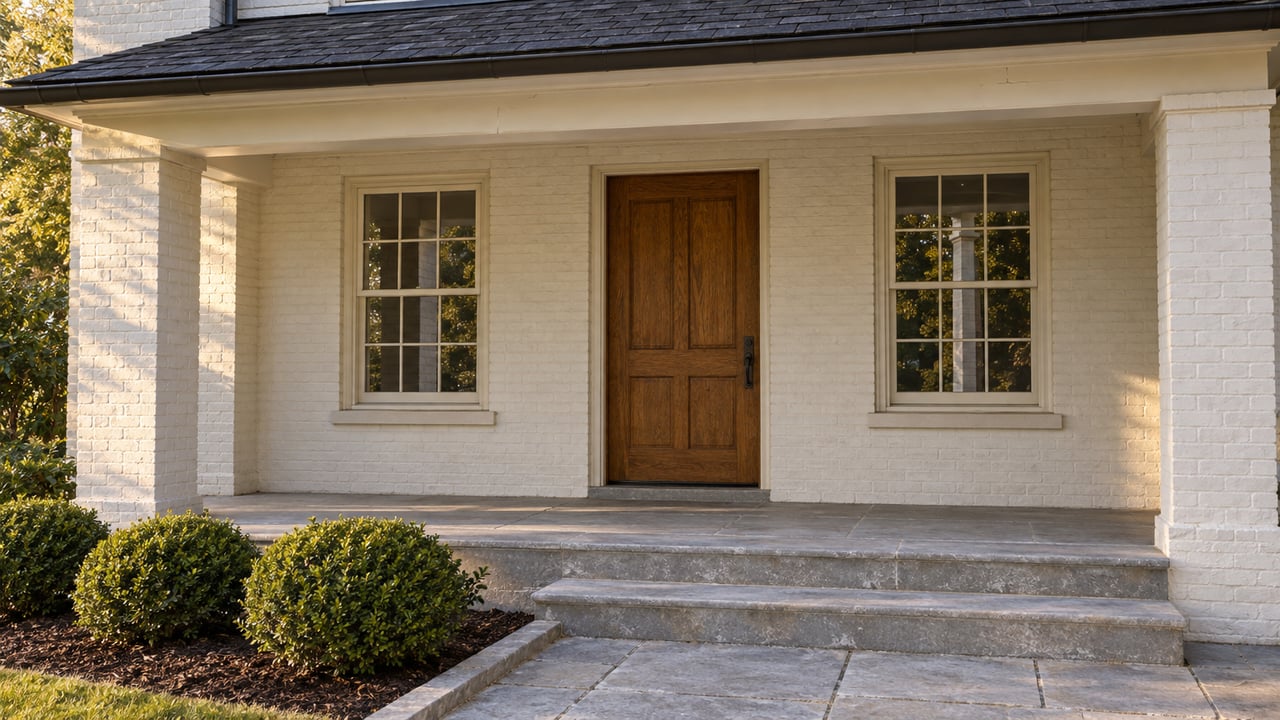
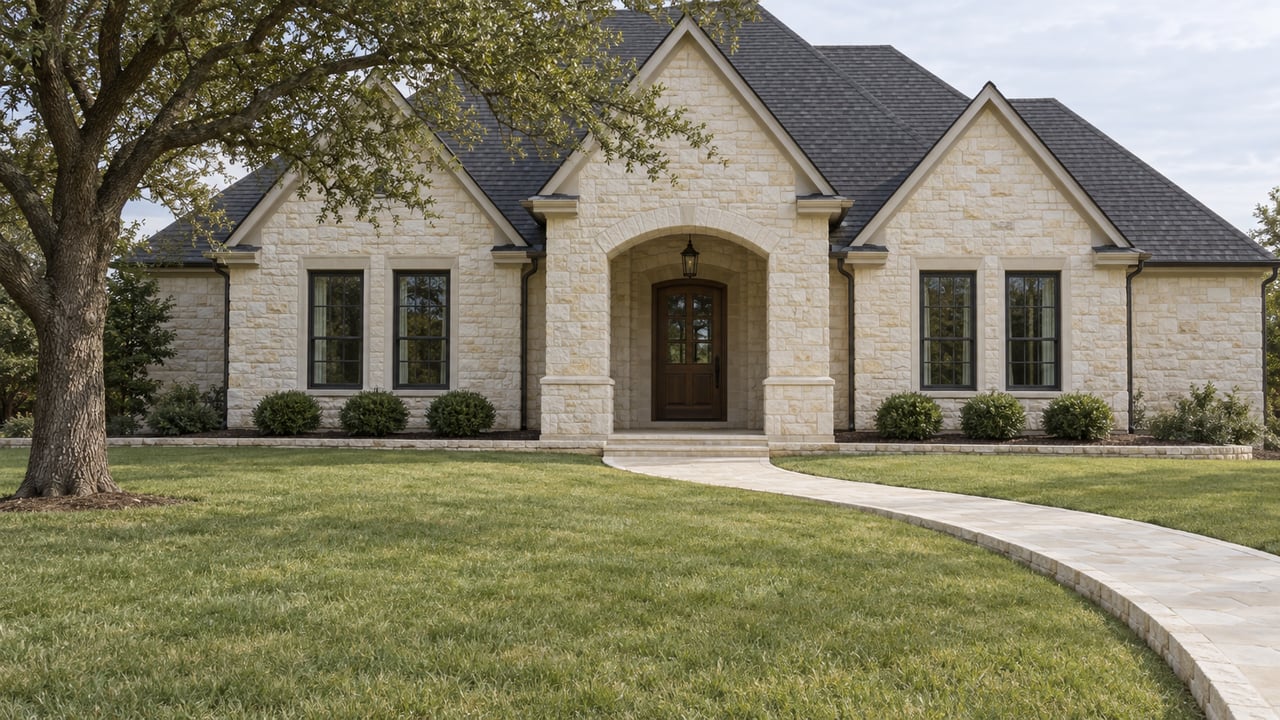
Historic housing is a major part of the appeal. In Tobin Hill, you can find one-story Craftsman bungalows from the teens, 20s, and 30s. Dignowity Hill includes mostly Folk Victorian and bungalow houses, while Monte Vista features Tudor, Craftsman, Spanish or Mission Revival, Art Moderne, and Classical Revival homes, along with apartments and estate houses.
That variety helps explain why central San Antonio attracts people who want more personality in their home environment. It also means the housing search can be more nuanced. You may find a different lifestyle from one neighborhood to the next, even when the drive time between them is short.
Historic districts affect ownership
If you are thinking about buying in central San Antonio, historic designation is important to understand. The city says local historic districts are adopted by ordinance, require compliance with design guidelines, and can require review for exterior work. At the same time, historic designation does not change allowed use.
That matters because the charm people love often comes with added responsibility. If you appreciate older architecture and preserved streetscapes, this may feel like a fair trade. If you want complete freedom to change exterior features, you will want to ask careful questions before buying.
This is one area where local guidance matters. Central San Antonio can be a great fit for buyers who value character and are comfortable with preservation rules, but it is smart to understand those rules early in your search.
Smaller-footprint living is part of the mix
Central housing also includes options that reflect how established neighborhoods evolve over time. San Antonio’s Casita Program defines a casita as a small home on the same lot as a larger main house, whether attached or detached. The city also notes that people may know these as ADUs, garage apartments, guest houses, or in-law suites.
The city’s 2025 launch materials emphasize casitas in existing neighborhoods with established infrastructure. That does not mean every property has one, but it does show how the city is thinking about housing flexibility in central areas. For buyers and owners, it is another sign that center-city housing can be both traditional and adaptable.
The tradeoffs are real
Central San Antonio tends to work best if you value access and atmosphere over space and separation. The area generally suits people who prioritize restaurants, arts, parks, events, and transit more than large yards or low-density suburban patterns. That is a practical way to think about fit before you start touring homes.
You will likely notice that some blocks feel very urban, some feel residential, and many sit somewhere in between. That is part of the appeal, but it can also surprise buyers who expect a single, consistent vibe across the entire area. In reality, central San Antonio feels active, character-rich, and highly neighborhood-specific.
That is why local guidance matters so much here. A home that looks ideal on paper may offer a very different day-to-day experience depending on the exact street, nearby destinations, and historic context. If you want help matching your lifestyle to the right part of the center city, Harkin Realty can help you navigate the options with clear, local insight.
FAQs
What does daily life in central San Antonio feel like?
- Daily life in central San Antonio often feels active, connected, and neighborhood-specific, with a mix of walkable pockets, historic homes, parks, restaurants, and cultural destinations.
How walkable is central San Antonio compared with the rest of the city?
- Central neighborhoods like Tobin Hill and King William score much higher for walkability than San Antonio overall, though walkability still varies by block and address.
What housing types are common in central San Antonio?
- Central San Antonio includes older single-family homes, apartments, mixed-use areas, and historic housing styles such as Craftsman, Tudor, Folk Victorian, Spanish or Mission Revival, and Classical Revival.
What should buyers know about central San Antonio historic districts?
- Buyers should know that local historic districts may require compliance with design guidelines and review for some exterior work, even though designation does not change allowed use.
Is central San Antonio a good fit if you want less driving?
- It can be, especially in denser parts of the core where walkability, VIA transit, and the River Walk trail network make a car-light routine more realistic.
What amenities shape life in central San Antonio neighborhoods?
- Everyday amenities include places like Pearl, Market Square, La Villita, Hemisfair, Travis Park, San Pedro Springs, and Brackenridge Park, along with local dining, arts, and events.